Class of 2022


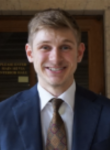

Agnew, Angela is in the Biochemistry, Molecular and Structural Biology Graduate Program, and joined the CMB Training Program in 2022.
Mentor: Dr. Todd Yeates
Research project:
Arce Quintor, Angel is in the Biochemistry, Molecular and Structural Biology Graduate Program, and joined the CMB Training Program in 2022.
Mentor: Dr. Guillaume Chanfreau.
Research project: The RES complex is a component of the spliceosome and it is important for the first catalytic step of RNA splicing. I’m currently studying the effects that components of the Nonsense Mediated Decay pathway, such as Upf1p, have on the degradation of alternatively spliced RNAs that arise from mutations of the proteins that comprise the RES complex in Saccharomyces cerevisiae.
Arce, Daniel is in the Biochemistry, Biophysics, & Structural Biology (BBSB) home area of the MBIDP, and joined the CMB Training Program in 2022.
Mentor: Dr. Douglas Black
Research project:
Bartolo, Gloria is in the Immunity, Microbes & Molecular Pathogenesis (IMMP) Home Area of the MBIDP, and joined the CMB Training Program in 2022.
Mentor: Dr. Elissa Hallem
Research project:
Parasitic nematodes infect over 1 billion people worldwide, largely affecting the marginalized, low- income populations of sub-Saharan Africa, Asia, and the Americas. The skin-penetrating human threadworm Strongyloides stercoralis is a soil-dwelling parasitic nematode that currently infects an estimated 610 million people globally. DEET, the world’s most widely used topical insect repellent, was recently discovered to interfere with the chemosensory behavior of the free-living nematode Caenorhabditis elegans in response to known attractant molecules. We hypothesize that DEET, and other widely used insect repellent compounds, will interfere with the chemosensory behavior and skin penetrating ability of Strongyloides.
My research project aims to:
1. Determine the effects of insect repellents on Strongyloides’ chemosensory behavior. We have pre-selected a list of widely used insect repellents (including DEET) and will test whether any of them modulate Strongyloides chemotaxis and/or skin-penetration behaviors of human and rat skin, respectively.
2. Identify the molecular and neural mechanisms by which insect repellents modulate chemosensory behavior. To investigate the neural mechanisms that mediate any observed insect repellent-mediated behavior in parasitic nematodes, stimulus-evoked neurons will be chemogenetically silenced. Additionally, genes required for olfactory responses (tax-4 and osm- 9) will be knocked out to determine their role, and individual chemosensory receptors will be identified.
In addition to our pre-selected insect repellents, we will perform similar assays on a library of FDA-approved drugs. Such efforts may result in the discovery of novel topical anthelmintics.




Cheung, Nikki is in the Biochemistry, Biophysics, & Structural Biology (BBSB) home area of the MBIDP, and joined the CMB Training Program in 2022.
Mentor: Dr. Robert Clubb
Research project:
Many pathogenic bacteria display long, filamentous protein polymers called pili that function as virulence factors crucial for bacterial adherence to host tissues, cell invasion, biofilm formation, and modulation of host immunity. These pili are often displayed in antibiotic-resistant bacteria, which are responsible for over 2 million illnesses and over $20 billion in healthcare costs annually in the United States. In order to further understand how these pili promote host infection, I will use cell-based assays and structural techniques to investigate the proteins involved in pilus assembly.
Using nuclear magnetic resonance (NMR) spectroscopy, I will determine the structure and interaction mechanism of two membrane proteins that facilitate pilus termination and attachment to the cell wall: SrtF and SafA. Additionally, I will investigate key residues that are essential to pilus assembly using fluorescence-activated cell sorting (FACS) as a readout for pilus display in single bacterial cells. Ideally, my work will expand the knowledge of how pathogenic bacteria produce virulent pili and use them for infection.
Dudley, Lindsey is in the Gene Regulation, Epigenomics & Transcriptomics (GRET) home area of the MBIDP, and joined the CMB Training Program in 2022.
Mentor: Dr. Grace Xiao
Research project:
Feustel, Kelsey is in the Biochemistry, Molecular and Structural Biology Graduate Program, and joined the CMB Training Program in 2022.
Mentor: Dr. Cathy Clarke
Research project:
Coenzyme Q (CoQ or ubiquinone) is a redox-active lipid molecule that acts as an electron carrier in the mitochondrial electron transport chain, aiding in the mitochondrial production of ATP. In Saccharomyces cerevisiae, at least 14 nuclear encoded proteins are required for efficient mitochondrial biosynthesis of CoQ6, an isoform of CoQ with a hexaprenyl “tail” of six isoprene units. Many of the Coq polypeptides (Coq3-Coq9 and Coq11) localize to the matrix side of the inner mitochondrial membrane where they assemble into a high molecular mass complex known as the CoQ Synthome. The correct assembly of this complex is required for efficient CoQ biosynthesis, as it is destabilized by individual deletion of COQ genes, resulting in severe defects in CoQ biosynthesis. Recently, the polypeptide Coq11 was identified as a novel member of the CoQ Synthome. Deletion of COQ11 has been shown to significantly reduce, but not abolish, de novo CoQ6 biosynthesis. Despite its impaired CoQ6 biosynthesis, the coq11Δ mutant appears to display a putatively more stable or enlarged CoQ Synthome and retains the antioxidant properties afforded by ubiquinol (CoQH2). While several roles for Coq11 have been hypothesized, its function in CoQ6 biosynthesis has not yet been fully elucidated.
Sequence analyses have identified Coq11 as a member of the short-chain dehydrogenase/reductase (SDR) superfamily, specifically as a member of subgroup five of the atypical SDRs. The SDRs constitute a large family of catalytically diverse enzymes that, despite having low pairwise sequence identities, share a relatively conserved catalytic triad or tetrad, several loosely conserved sequence motifs, and a conserved N-terminal Rossmann-fold, a protein structural motif utilized in the binding of a dinucleotide cofactor.
My research aims to characterize the function of Coq11 using its identity as a member of the SDR superfamily. CRISPR-Cas9 mediated genome editing will be used to introduce point mutations into the genome of S. cerevisiae at residues that comprise the hypothesized Coq11 catalytic tetrad. Strains harboring these point mutations will be phenotypically characterized by examining respiratory capacity, de novo CoQ6 biosynthesis via mass spectrometry, and retention of the antioxidant protection afforded by ubiquinol. Additionally, the effect of these Coq11 point mutations on the assembly and stability of the CoQ Synthome will be assessed using 2D Blue-Native/SDS-PAGE and Western Blot analyses. Overall, the findings of my research will provide insight into the function of an atypical SDR required for efficient CoQ6 biosynthesis in S. cerevisiae.
Ford, Jordan is in the Biochemistry, Molecular and Structural Biology Graduate Program, and joined the CMB Training Program in 2022.
Mentor: Dr. Robert Clubb
Research project:
The increase in antimicrobial resistance in pathogenic bacteria has created a looming public health crisis. Novel “antivirulence” compounds that target conserved microbial virulence pathways are particularly promising therapeutics, as they would disarm microorganisms that cause infectious disease but exert limited selective pressure that leads to antibiotic resistance. One such targetable virulence pathway is iron scavenging, as bacterial pathogens must acquire iron from their host in order to proliferate. My work focuses on heme scavenging by Corynebacterium diphtheriae, the etiological agent of diphtheria disease in humans. C. diphtheriae acquires heme from human hemoglobin using surface proteins that bind heme through Conserved Region (CR) domains.
This CR-CR transfer complex presumably forms via fleeting, protein-protein interactions. I propose to use paramagnetic relaxation enhancement (PRE) NMR to define the relative orientation and long-distance intermolecular restraints of the CR-CR transfer complex. The site-specific conjugation of paramagnetic spin labels can enhance relaxation rates of nearby nuclei, which leads to line-broadening effects in a distance-dependent manner, potentially giving long-distance information on nuclei up to 25 Å away. Back-calculated PRE distance restraints will be used to inform molecular docking of the holo-CR donor against the apo-CR acceptor before more rigorous molecular dynamics simulations are used to model the mechanism of the heme transfer reaction.
I also aim to extend the in vitro and in silico results above into a cellular system. I seek to probe the heme-uptake pathway in C. diphtheriae culture through the targeted knockout of individual surface components, as well as on a mechanistic level through mutations that disrupt CR self-association but not heme binding affinity. If indeed heme is rapidly relayed via a transient CR-CR complex in vivo, disruption of the encounter-complex interface defined by the PRE experiments should lead to reduced efficiency of iron import when grown on hemoglobin, even if heme binding affinity is left intact. Overall, this work has the potential to identify vulnerabilities in an important nutrient uptake system that could lay the groundwork for the development of novel antivirulence therapeutics that target conserved iron acquisition pathways.



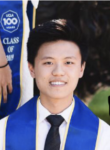
Freeland, Jack is in the Cell & Developmental Biology (CDB) home area of the MBIDP, and joined the CMB Training Program in 2022.
Mentor: Dr. Thomas Graeber
Research project:
Despite the advent of novel drugs, improved surgical techniques, and earlier detection rates, the survival rate of prostate cancer has not improved in recent years. The majority of prostate cancer deaths stem from patients progressing from an adenocarcinoma phenotype (PCa) to a highly aggressive neuroendocrine phenotype (NEPC). Cases of organ-confined PCa are generally close to diploid while metastatic and lethal castration resistant prostate cancers (CRPC) such as NEPC exhibit high degrees of aneuploidy. We hypothesize that along with activating oncogene mutations and loss of tumor suppressor genes, accumulative coordinate changes in DNA copy number alteration (CNA) patterns contribute to aggressive cancer phenotypes. Thus, tumors with few or no strongly activating oncogene mutations may rely more heavily on CNA for phenotype changes (prostate cancer). The goal of my project is to better understand the role of genomic instability and aneuploidy in the aggressiveness of NEPC. I will first investigate how inducing genomic instability in our patient derived NEPC model changes the phenotype in vitro and in vivo. I will then investigate if novel bioinformatically implicated genes can affect genomic instability or act as therapeutic targets against NEPC.
Gonzalez Akimori, Damia is in the Immunity, Microbes & Molecular Pathogenesis (IMMP) Home Area of the MBIDP, and joined the CMB Training Program in 2022.
Mentor: Dr. Elissa Hallem
Research project:
Johnson, Colin is in the Chemistry Graduate Program, and joined the CMB Training Program in 2022.
Mentor: Dr. Yi Tang
Research project:
Cannabinoids are a large class of bioactive natural products derived from the Cannabis sativa plant that modulate the CB1 and CB2 cannabinoid receptors of the human endocannabinoid system. While over 100 different cannabinoids have been identified, the two most studied compounds also happen to be the most abundant: Δ9-tetrahydrocannabinol (Δ9-THC) and cannabidiol (CBD). Many of the remaining minor cannabinoids demonstrate unique properties and mechanisms apart from those of THC and CBD but remain largely underexplored due to limitations including (1) prohibitively low abundance in planta; (2) significant land and water requirements; and (3) complicated inconsistent mixture of products. Thus, a more sustainable and reliable source of cannabinoids is critical not only to meet consumer demand, but also to access sufficient quantities of rare and novel cannabinoid analogues for therapeutic evaluation.
Microbial fermentation platforms are a potentially disruptive technology to address these limitations. Recently, the Tang Lab identified a new fungal pathway capable of producing high titers of olivetolic acid, a key cannabinoid precursor. Furthermore, the Tang Lab recently acquired an invaluable fungal strain collection with hundreds of unsequenced and unexplored biosynthetic potential. These not only provide me a unique opportunity to identify IP-free pathways to classic phytocannabinoids, but also to discover alternative biosynthetic routes to downstream compounds. In addition to fully reconstituting biosynthetic pathways, I intend to leverage the Tang Lab’s expertise in bioinformatic mining to identify interesting targets in sequenced genomes, followed by genome mining and enzyme characterization. Identifying enzymes that can be used to selectively modify the cannabinoid scaffold via biocatalysis is an area of focus I find particularly compelling. In combining genome mining and synthetic biology approaches, I aim to identify enzyme targets that can be integrated into the Tang Lab’s combinatorial biosynthesis platform to generate novel cannabinoid analogues with enhanced or differing bioactivities. My future goals are to meaningfully contribute to the research of bioactive natural products, their unique biosynthetic machinery, and their biomedical and biotechnological applications to improve human health.
Kan, Ryan is in the Cell & Developmental Biology (CDB) home area of the MBIDP, and joined the CMB Training Program in 2022.
Mentor: Dr. Aparna Bhaduri
Research project:
Glioblastoma (GBM) is the most common malignant brain and CNS tumor. It is classified as a grade IV tumor, which makes it one of the deadliest and fastest-growing tumors. Despite decades of research, the prognosis for GBM patients remains poor, with a median survival rate of 15 months. The current standard of care is limited to surgical resection and chemotherapy. Due to the highly invasive and heterogeneous nature of the tumor, recurrence is practically inevitable. Single-cell RNA sequencing of patient tumors has identified a population of cells resembling the transcriptomes of outer radial glia (oRG), which act as stem cells and are only expressed in the developing human brain. One of the genes that define this population of cells and is highly upregulated in the sequenced GBM tumors is PTPRZ1, a receptor-type protein tyrosine phosphatase. In the developing brain, PTPRZ1-expressing oRG exhibit a unique behavior known as mitotic somal translocation, in which the cells travel a certain distance before they divide; this has been proposed to be the mechanism of migration for these oRG-like cells in GBM. My research aims to dissect the role of PTPRZ1 in driving tumor progression and migration.
In my research project, I aim to investigate the roles of enzymatic activity and dimerization of PTPRZ1 in the tumor. To accomplish this, I will express different isoforms and mutants of PTPRZ1 in a GBM cell line using lentiviral transduction methods. The GBM cell line will also have endogenous PTPRZ1 knocked out with CRISPR/cas9 mutagenesis. I will then interrogate the transcriptomes of these cell lines using bulk RNA sequencing, phospho-proteomes using mass spectrometry, migration capabilities using invasion assays, and proliferation rates using viability assays. All of these pieces will lend insight into the mechanism of this protein and warrant the targeting of PTPRZ1 catalytic activity and/or dimerization as novel therapeutics.
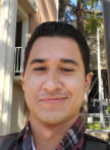


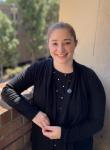
Munoz, Aldo is in the Biochemistry, Molecular and Structural Biology Graduate Program, and joined the CMB Training Program in 2022.
Mentor: Dr. Jose Rodriguez
Research project:
Pathogenic clade B New World mammarenaviruses (NWMs) are a clade of arenaviruses that have been known to cause severe hemorrhagic fevers in South America. These include the Junin, Machupo, Guaranito, Sabia, and Chapere viruses. Their high mortality rates, ease of transmission, and potential for major public health impact, has caused them to be classified by the National Institute of Allergy and Infectious Diseases as category A pathogens, meaning they pose a very high risk to national security and public health. Although there are fewer than 200 cases per year, the mortality rate for these viruses ranges from 20% to 30%, mostly affecting rural farm workers with limited access to proper treatment.
Treatment for NWMs grows complicated since the glycoproteins of these viruses are poorly conserved with less than 40% sequence similarity across the clade. This makes therapeutics targeting the glycoproteins hyper-specific to a single member of the clade. Therefore, targeting the highly conserved receptor through which they initiate cell entry, human transferrin receptor 1, is a more viable option for broad treatment. Recently, the murine antibody OKT9 was demonstrated as a potential blocker for cell entry by clade B NWMs through steric occlusion of the apical domain, protecting mice from Junin lethal hemorrhagic fever. It also inhibits internalization of other pathogenic NWM pseudoviruses. My interest is understanding at a molecular level how OKT9 is preventing internalization. Through structural studies using X-ray crystallography and CryoEM, we will elucidate the molecular mechanisms of OKT9 binding and lay a foundation for development of therapeutics against NWMs.
Nguyen, Brian is in the Biochemistry, Biophysics, & Structural Biology (BBSB) home area of the MBIDP, and joined the CMB Training Program in 2022.
Mentor: Dr. Todd Yeates
Research project:
My research involves developing a drug carrier that can deliver therapeutics directly to a target. The hope is that since the therapeutic is delivered to where it is needed, rather than throughout the body, it could improve a therapeutic’s efficacy or reduce its side effects. Nanoparticles, particles within the nanoscale range, have seen increasing usage as drug carriers since they are small enough to influence our physiology. Nanoparticle drug carriers have been used in cancer research to improve certain chemotherapies by localizing the drug toward cancer cells, avoiding side effects against non-cancerous cells. Nanoparticle drug carriers have also allowed therapeutics to bypass physiological constraints such as the blood-brain barrier, which prevents many drugs from reaching the brain. Although there is significant interest and research into targeted delivery, there are few, if any, approved therapeutics that apply these concepts. I aim to provide insight into challenges that face targeted delivery and opportunities to advance this field and enable new cures.
I will use a protein-based carrier to encapsulate and protect the therapeutic, while targeting receptors on its exterior directs it to specific cells/areas of interest. I am also testing how to trigger the delivery vehicle to release or expose the therapeutic in response to stimuli or conditions such as ligand binding or acidic pH. This project will involve computational modeling and protein design to engineer delivery vehicles, electron microscopy to validate loading capacity and assembly state, fluorescence microscopy to determine cellular uptake/localization, and drug activity assays to measure efficacy. These studies will provide preliminary data on whether the designed protein carrier can achieve the goal of targeted delivery.
Olivares, Eileen Jacqueline is in the Biochemistry, Molecular and Structural Biology Graduate Program, and joined the CMB Training Program in 2022.
Mentor: Dr. Joseph Loo
Research project:
Amyloid protein aggregates are a hallmark of several neurodegenerative diseases (ND), including, but not limited to, Alzheimer’s disease (AD), Parkinson’s Disease (PD), Huntington’s disease (HD), etc. Fibrils and oligomers, which form aggregates characterized by the presence of β-sheet structures, are thought to contribute to cellular pathology and the degeneration of various brain regions and, hence, are linked to the progression of ND. Even though cytotoxicity was originally attributed to fibrils, evidence points to oligomers being the primary cytotoxic species that result in the progression of ND. The mechanism by which oligomers elicit their toxicity in cells is not entirely clear. To understand this mechanism, it is important to first characterize oligomers. However, their dynamic, polymorphic, and transient nature has made them difficult to isolate and study.
Native mass spectrometry (nMS) is well suited for studying oligomers as it has been found to provide accurate molecular weight and stoichiometric information for various protein complexes, including oligomers. nMS is a soft ionization technique that allows one to study proteins in near-physiological conditions while, in the case of oligomers, keeping non-covalent interface interactions intact. Native top-down mass spectrometry (nTD-MS), where covalent bonds of native proteins are cleaved into fragments, can uncover structural information on amyloid protein oligomers, including the location of the aggregation interface. Elucidating size information and the location of the aggregation interface for these different oligomers may allow us to uncover more about the mechanism by which oligomers induce toxicity and could allow for the characterization of potential therapeutics. Given this, the goals of my research are to 1) optimize nMS to determine the size of various amyloid protein oligomers (e.g., tau, amyloid beta, and ⍺-synuclein), 2) utilize nTD-MS to reveal the location of amyloid protein oligomer interfaces and 3) utilize nMS and nTD-MS to identify how therapeutic compounds change the nature of these oligomeric species. In summary, I hope to characterize amyloid protein oligomers, thus providing information important for understanding how these species contribute to the progression of neurodegenerative diseases.
Rich, Kayla is in the Biochemistry, Molecular and Structural Biology Graduate Program, and joined the CMB Training Program in 2022.
Mentor: Dr. Jorge Torres
Research project:
Cancer progression often involves transitions between a high cell proliferation rate to a high migratory rate then back again. These transitions are known as the epithelial-to-mesenchymal (EMT) and mesenchymal-to-epithelial (MET) transitions. EMT and MET are characterized by cytoskeletal reorganizations, changes in cell-cell contacts, and changes in cellular apical-basal polarity. The importance of the cytoskeletal network in these transitions, however, remains understudied. The microtubule network is a major cytoskeletal component that is necessary for cell migration, proliferation, polarity, and intracellular trafficking. Microtubule structures undergo dynamic rearrangements throughout the cell cycle in part due to the katanin microtubule-severing enzyme family. The roles of the katanins within EMT and MET have yet to be determined, but they are known to interact with and have their activity regulated by DYRK2 and LAPSER1, both of which regulate cell cycle progression and are also involved in EMT signaling. I hypothesize that katanin microtubule-severing activity and its regulation by DYRK2 and LASPER1 are important for the EMT and MET transitions. To test this, I will determine the effect of modulating katanin protein levels on EMT and MET using katanin CRISPR iCas9 inducible knockout and overexpression cell lines in conjunction with cell proliferation, migration, and invasion assays. I will also perform proteomic analyses of katanins in EMT and MET, which will provide invaluable details on key katanin interactions, protein levels, and modifications in EMT and MET. I will further validate the mechanisms of katanin regulation through depletion-add back rescue assays, DYRK2 inhibitor treatment, and microtubule-severing-assays. Together, these aims will determine the role of the katanins in EMT and MET, and the importance of regulating katanin protein levels, activity, localization, and posttranslational modifications for EMT and MET transitions.




Rixen, Merin is in the Biochemistry, Molecular and Structural Biology Graduate Program, and joined the CMB Training Program in 2022.
Mentor: Dr. Margot Quinlan, Dr. Joseph Loo
Research project:
Oogenesis is a reproductive process that ensures the proper development of mature eggs. This process is controlled through a series of highly coordinated molecular occurrences that correlate to the development of healthy offspring. Various human disorders including cancers, birth defects, and infertility are linked to the failure to execute these coordinated events at the proper time. Drosophila melanogaster have long served as a model organism for the study of egg development and how these molecular events are regulated. One of these occurrences is the synchronized disappearance of the actin mesh during mid-oogenesis.
Previous studies show that loss of the actin mesh is a recurrent event that ensures proper development of the embryo. Early removal of the actin mesh generates premature fast cytoplasmic streaming leading to the loss of egg polarity and female sterility. Similarly, late loss of the mesh produces delays in egg polarity establishment leading to decreased fertility. However, not much is understood about the mechanism behind the mesh removal and what proteins assist in that process. Additionally, the study of the actin mesh has proven to be technically challenging due to the limitations of traditional molecular biology techniques, like microscopy and fluorescent labeling.
My research will focus on overcoming these limitations by using bottom-up mass spectrometry and crosslinking techniques to gain a greater understanding of the mechanism of mesh formation and disappearance. I will focus on quantifying the changes in the relative abundance of proteins during key stages of egg development, including just prior to and after mesh disappearance. I will also work to identify candidate actin binding partners and other interesting proteins, identified by mass spectrometry. My work will study their contribution to actin mesh maintenance and investigate their role in the removal of the mesh during mid-oogenesis. Overall, I aim to investigate the maintenance, composition, stabilization, and loss of the actin mesh using a combination of molecular biology and mass spectrometry techniques.
Salladay-Perez, Ivan is in the Cell & Developmental Biology (CDB) home area of the MBIDP, and joined the CMB Training Program in 2022.
Mentor: Dr. Anthony Covarrubias
Research project:
Smith, Emily Peluso is in the Immunity, Microbes & Molecular Pathogenesis (IMMP) Home Area of the MBIDP, and joined the CMB Training Program in 2022.
Mentor: Dr. Thomas Vallim
Research project:
Through my thesis work at UCLA, I am combining my previous research experience with my current passion to combat metabolic disease to investigate how an organelle called the peroxisome regulates metabolism. In the liver, cholesterol is converted into bile acids which serve as essential signaling molecules and act as detergents that mediate the absorption of lipids from the diet. Peroxisomes are cellular organelles required for bile acid synthesis and the oxidation of specific fatty acids, yet their role in lipid metabolism is not fully understood. Furthermore, although peroxisomes are found in every tissue, bile acid synthesis is almost completely restricted to the liver, suggesting that there are unique properties of liver peroxisomes.
Peroxisome biogenesis is mainly coordinated by the peroxin (PEX) protein family; yet the function of PEX proteins beyond organelle biogenesis has not been explored. My proposed studies will expand on the function of PEX proteins specifically focusing on their ability to modulate lipid metabolism, which is important for maintaining lipid and bile acid levels in the body. My research is conceptually innovative in its aim to elucidate how essential metabolic enzymes are trafficked in and out of hepatic peroxisomes, which may inform novel therapeutic strategies to compensate for genetic mutations that affect various metabolic diseases such as peroxisome biogenesis disorder.
Taylor, Lily is in the Biochemistry, Molecular and Structural Biology Graduate Program, and joined the CMB Training Program in 2022.
Mentor: Dr. Jose Rodriguez
Research project:
New World Hemorrhagic Fever Mammarenaviruses (NWMs) are prevalent viral pathogens endemic to South America. Though infection remains largely asymptomatic across their rodent hosts, several NWMs have acquired the capability for human transmission, causing viral hemorrhagic fever with high case mortality rates in their human hosts. NWMs are considered priority A pathogens due to their lethality, the potential for human-to-human transmission, and the absence of FDA-approved therapeutics and treatment options. Though the surface glycoproteins which mediate cellular entry of pathogenic NWMs display low sequence similarity, they all share highly conserved genomic and structural features and target a conserved site on the human transferrin receptor to initiate human infection.
My work aims to explore the functional scope of the NWM glycoprotein to investigate how sequence variation is implicated in their potential for emergent disease in the human population. By mapping the sequence trajectories between pathogenic viral species and evaluating how sequence variation manifests in structural perturbations across the NWM glycoprotein, I will elucidate the mechanisms and factors that contribute to viral entry and infectivity. This work will ultimately yield insight into how viruses undergo sequence adaptation to confer broad infectious properties, and how this knowledge can be exploited to inform the rational design of proteins to predict both future and past natural evolutionary states to inform the development of therapeutics prior to the onset of new epidemics amongst the human population.



Terrazas, Sari is in the Gene Regulation, Epigenomics & Transcriptomics (GRET) home area of the MBIDP, and joined the CMB Training Program in 2022.
Mentor: Dr. Grace Xiao
Research project:
Wexler, Shelby is in the Chemistry Graduate Program, and joined the CMB Training Program in 2022.
Mentor: Dr. Irene Chen
Research project:
Penicillin, the first antibiotic, has prevented countless deaths from bacterial diseases since its discovery in 1928. Almost a hundred years later, the misuse of antibiotics has led to bacteria evolving immunity against them. Worldwide, more than 1.2 million people died from antibiotic resistance (AR) infections in 2019. The CDC reported a 15% increase in AR infections during 2020 as the SARS-CoV-2 pandemic pushed healthcare facilities over capacity, leading to increased transmission of bacterial diseases.
Bacteriophages, or “phages”, are viruses that infect bacteria and offer a potential solution to the rise of antibiotic resistance. However, some of the most well-studied phages are non-lytic and infection does not result in bacterial death, while other lytic phages are limited by their host range. Two innovations may allow M13, a well-studied and commercially available phage, to overcome these barriers. First, the genome of M13 can be engineered such that additional proteins can be fused to and expressed with the g3p protein, which is responsible for binding to E. coli hosts. Such proteins include the receptor binding protein of other phages, specific to different bacterial species, or portions of antibodies, which allow a variety of new antigens to be targeted. Secondly, gold nanorods can be conjugated to the external coat protein, g8p, that covers the majority of M13. Gold nanorods can be synthesized to a specific size such that near infrared light, capable of passing through biological tissues, can excite their electrons; this energy is released as heat, killing any bacteria bound by a phage. This combination of phages and gold nanorods has been coined “phanorods”. I seek to further advance the phanorod technology by 1) investigating new targets, such as the polysaccharides covering the external surface of bacteria, and 2) expanding the treatment from external to internal bacterial infections.
Wu, Carolyn is in the Biochemistry, Molecular and Structural Biology Graduate Program, and joined the CMB Training Program in 2022.
Mentor: Dr. Margot Quinlan
Research project:
The actin cytoskeleton is essential for the development of a viable egg. During Drosophila oogenesis, a cytoplasmic actin network called the actin mesh is required to properly transport and localize polarity determinants that establish the polarity of the oocyte and define the future patterning of the embryo. So far, we know that this mesh is built by two actin nucleators, Spire (Spir) and Cappuccino (Capu), but nothing is known about how it is properly maintained during mid-oogenesis and removed by late oogenesis. Thus, the aim of my project is to understand how this mesh is regulated by identifying factors that interact with or are in close proximity to Spir and Capu and ultimately determine the role these factors play. These results will allow deeper insight into the role of the actin cytoskeleton during oogenesis and potentially translate to mammalian systems where the same set of actin nucleators are used to build a similar actin network.
Zhang, Shirley is in the Molecular and Medical Pharmacology Graduate Program, and joined the CMB Training Program in 2022.
Mentor: Dr. Maureen Su
Research project:
Type I diabetes (T1D) is an autoimmune disease caused by T-cell mediated destruction of beta-cells, which produce insulin in the pancreatic islets. T1D is the most prevalent form of diabetes amongst children and affects more than 500K children worldwide. The rapid rise in T1D incidence between 2002 and 2015 is too fast to be attributed to genetic factors alone. More likely, this rapid rise may reflect environment-influenced epigenetic regulation, particularly in T cells. A recent clinical trial studying the effect of an anti-CD3 drug on T1D prevention shows the correlation between decreasing lymphocytes and lowered T1D risk amongst the relatives of T1D patients, highlighting the importance of T cells for human T1D. However, the identity of key epigenetic regulators that control diabetogenic T cells is unclear. Our previous study shows a critical role for the epigenetic regulator UTX in CD4+ T cell differentiation during chronic virus infection, demonstrating UTX’s role in modulating T cell activity. To study T1D, we developed a mouse model with UTX deficiency in T cells and discovered that UTX deficiency protects mice from T1D. Currently, we are studying the molecular mechanism of protection from T1D using this mouse model with UTX deficiency in T cells.