Class of 2024


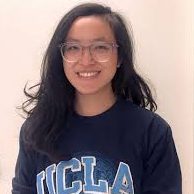
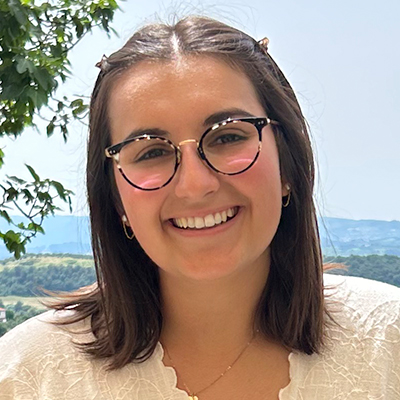
Andrikopoulos, Alexia is in the Biochemistry, Molecular and Structural Biology Graduate Program, and joined the CMB Training Program in 2024.
Mentor: Dr. Danielle Schmitt
Research project: Phosphatase and tensin homologue (PTEN)-induced kinase 1 (PINK1) is a serine/threonine kinase whose main role is to sense mitochondrial damage and initiate mitophagy through phosphorylation of ubiquitin and Parkin. Mutations in PINK1 are the second most prevalent cause of autosomal recessive Early-onset Parkinson’s disease (EOPD) after Parkin, with an idiopathic Parkinson’s disease (PD) phenotype. PINK1 expression is high in energetically demanding tissue like the brain and heart, but its role in metabolic regulation and cell-type specificities is just beginning to be investigated. The overall objective for the proposal is to use TurboID proximity-labeling and phosphoproteomics of PINK1 alongside genetically encoded biosensors for enzymes and small molecules involved in metabolism to evaluate the metabolic regulatory role of PINK and the pathways in which it is involved. Through the work, Alexia will test the central hypothesis that PINK1 acts as a metabolic regulator through phosphorylation of its interactome, and loss of PINK1 function reprograms metabolism through the disruption of fundamental pathways on spatiotemporal and cell-type specific levels. Throughout the past year, Alexia has characterized the PINK1 interactome in initial cell lines, and begun to understand how PINK1 regulates metabolism spatiotemporally.
Buechler, Emma is in the Biochemistry, Molecular and Structural Biology Graduate Program, and joined the CMB Training Program in 2024.
Mentor: Dr. Jorge Torres
Research project: The cell cycle is meticulously organized and regulated in order to replicate genetic material and perform cellular division. Successful replication and division depends on the cell’s progression through interphase, mitosis, and cytokinesis, and any deficiencies can have negative impacts on human health. The entirety of cell division enzymes, their functions, regulatory mechanisms, and how they all work together to maintain accurate cell division is not fully understood. However, the functions and interactions of these enzymes present avenues for the development of therapies that target proliferative diseases such as cancer. The goal of Emma’s research is to identify and characterize novel enzymes that have critical functions in cell division. Emma will also identify and characterize novel inhibitors of cell division, which can serve as molecular probes to elucidate the roles of cell division enzymes, and as potential candidates for therapeutic development.
Cheng, Kylie is in the Biochemistry, Molecular and Structural Biology Graduate Program, and joined the CMB Training Program in 2024.
Mentor: Dr. Robert Clubb
Research project: Antibiotic resistance in infectious bacteria is a growing concern, and new drugs are needed to more effectively treat the diseases they cause. The Clubb lab is interested in studying microbial pathogenic pathways and characterizing new putative antibiotic targets, with an emphasis on protein structure and biochemistry. Kylie’s project focuses on investigating the interactions between human hemoglobin and the bacterial proteins that steal heme from hemoglobin for an iron source. Inhibiting this interaction may deprive a pathogen of iron and thus decrease its virulence. The hemoglobin-binding protein HbpA from Corynebacterium diphtheriae does not capture heme, and Kylie hypothesizes that ChtA, which contains both a heme-binding and a hemoglobin-binding domain, may be HbpA’s partner in heme acquisition from hemoglobin.
Emmi, Aubrey is in the Biochemistry, Molecular and Structural Biology Graduate Program, and joined the CMB Training Program in 2024.
Mentor: Dr. Michael Lawson
Research project: Translation of an aberrant mRNA causes the leading ribosome to stall at the site of the defect, yielding a queue of collided ribosomes that mark the transcript for decay. While prolonged ribosomal collisions occur on aberrant mRNAs, ribosomes also encounter challenges on normal mRNAs that lead to pausing and collisions. It is unclear how the translational quality control machinery differentiates between a canonical, transient collision versus a slow and deleterious collision. Prior studies show that stalled ribosomes are a trigger for the quality-control response and that these collisions are detected by the E3 ligase Hel2, which ubiquitinates the 40S ribosomal subunit. Ubiquitination then recruits Cue2, an endonuclease, which cleaves the mRNA and separates the leading and lagging ribosomes. This process is a precursor to downstream mRNA surveillance mechanisms, such as No Go decay. Aubrey hypothesizes that the factors that drive these processes act slowly upon their substrate, which allows transient ribosomal collisions to escape mRNA cleavage and destruction.
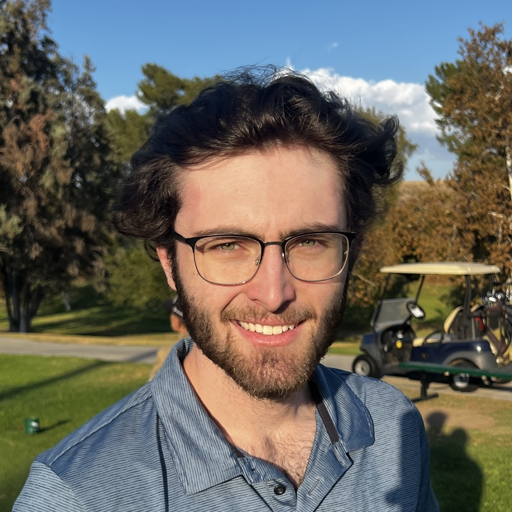

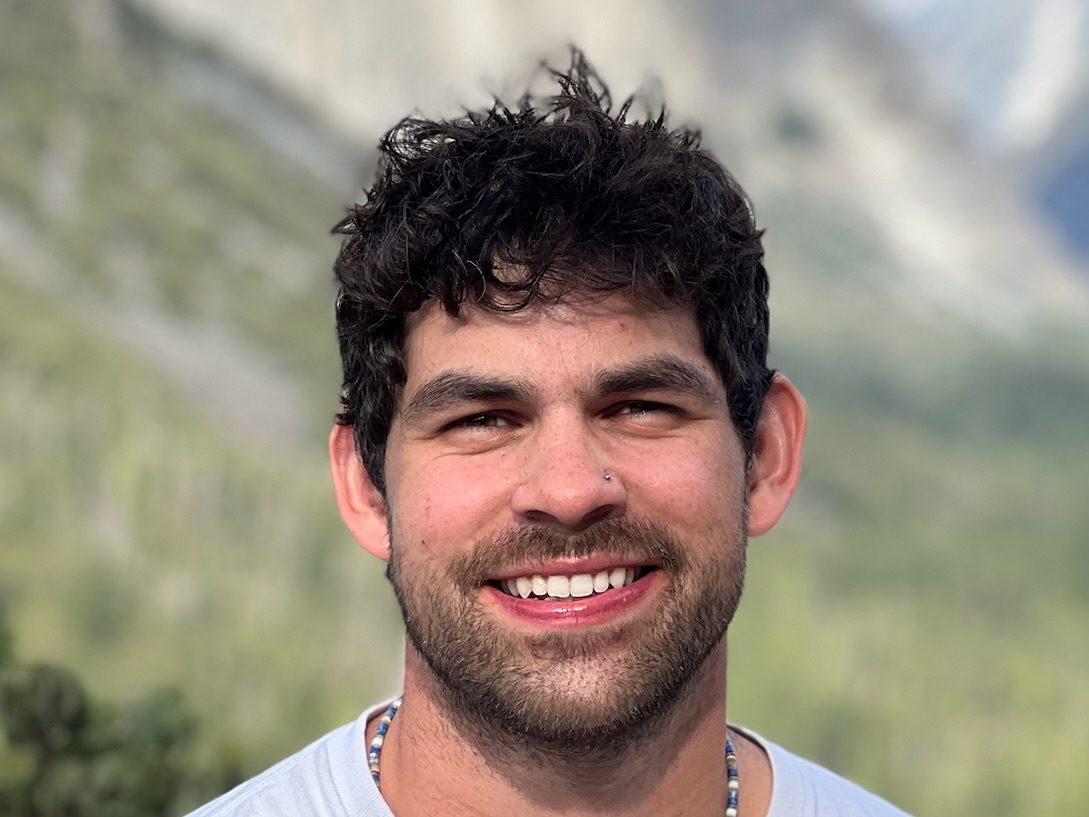
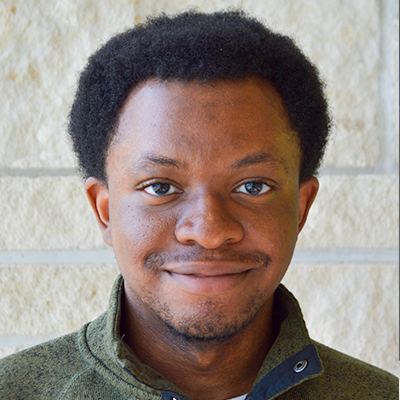
Flowers, Cameron is in the Biochemistry, Molecular and Structural Biology Graduate Program, and joined the CMB Training Program in 2024
Mentor: Dr. Jose Rodriguez
Research project: To develop novel methods combining the fields of electron microscopy (EM) and native mass spectrometry (nMS), Cameron has developed a method to integrate nMS and microED in the context of ligand soaking experiments. X-ray diffraction (XRD) has been the preeminent structural determination method since the inception of structural biology, providing reliable atomic-level structural information. XRD has proven beneficial in obtaining structural features of ligand binding through fragment-based drug discovery (FBDD). FBDD involves high-quality crystals soaked with a cocktail of ligands for subsequent XRD experiments to define the location and structural motifs of the bound ligand(s). FBDD is a powerful technique but has some major pitfalls: soaked crystals must retain high diffraction quality; soaking time must be of sufficient duration to allow ligands to adequately penetrate many unit cells in the lattice; ligands must bind at high enough occupancy to unambiguously determine the bound species among ligands in the cocktail. Unfortunately, these high standards of diffraction are often compromised when the cocktail causes cracks or when multiple ligands bind with similar affinities, complicating data analysis. MicroED has to capability to solve some of these pitfalls including data collection of cracked/microcrystals and faster soaking times.
Kordale, Shreya is in the Gene Regulation, Epigenomics & Transcriptomics (GRET) home area of the MBIDP, and joined the CMB Training Program in 2024.
Mentor: Dr. Debora Sobreira
Research project: Polycystic Ovary Syndrome (PCOS) is a complex reproductive and metabolic disorder affecting over one in ten women worldwide. Although genome-wide association studies (GWAS) have identified multiple genetic risk loci for PCOS, the molecular mechanisms through which these variants exert their effects remain largely unknown. Using a combination of multi-omics analyses and high-throughput functional screening, Shreya aims to link genetic variants to their target genes and regulatory functions. Her work focuses on three key cell types relevant to PCOS pathophysiology: white adipocytes, pancreatic beta cells, and ovarian granulosa cells. Meta-analyses of PCOS risk loci suggest that these variants can be broadly classified as having predominantly metabolic or reproductive effects. While reproductive variants may act through ovarian granulosa cells, metabolically relevant tissues such as adipocytes and beta cells are likely critical to metabolic dysfunction by mediating a key PCOS driver, insulin resistance. Shreya hypothesizes that PCOS comprises phenotypically distinct subtypes driven by overlapping and unique genetic architectures, in which non-coding variants act through cell-type-specific regulatory programs.
Mack, Paul is in the Cell & Developmental Biology (CDB) home area of the MBIDP, and joined the CMB Training Program in 2024
Mentor: Dr. Hanna Mikkola
Research project: Newborns with Trisomy 21 often suffer from a pre-leukemic, myelodysplastic condition known as Transient Abnormal Myelopoiesis (TAM), which is associated with a truncating mutation of the hematopoietic transcription factor gene GATA1 (GATA1s). Increased proliferative stress associated with TAM can cause TAM cells to develop additional mutations that lead to Myeloid Leukemia of Down Syndrome (ML-DS), but the trigger that initiates Trisomy 21-associated TAM and leukemia in utero is currently unknown. Previous studies have established abnormalities in T21 fetal hematopoiesis, but have been conducted largely in neonatal human tissues, at which stage the expansion of cell populations expressing TAM-associated surface markers is already underway. Paul hypothesizes that Trisomy 21 HSCs have abnormal genetic and functional characteristics during the early fetal period that predispose to TAM-associated GATA1s mutations. Paul has spent the last year investigating the developing hematopoietic landscape in a variety of Fetal T21 tissues, as well as attempting to determine the exact cellular origin of TAM and GATA1s mutations.
McFarland, Adrian is in the Biochemistry, Molecular and Structural Biology Graduate Program, and joined the CMB Training Program in 2024.
Mentor: Dr. Michael Lawson
Research project: Proper protein synthesis requires that ribosomes terminate on stop codons at the correct location within an mRNA. Many organisms have evolved mechanisms to regulate gene expression by controlling the abundance of mRNAs through a sophisticated network of complementary mRNA decay mechanisms. One such mechanism is Nonsense-Mediated mRNA Decay (NMD), a eukaryotic translation-dependent quality control pathway that targets aberrant mRNAs containing premature termination codons for degradation. Up-frameshift protein 1 (Upf1) is a superfamily 1 5’-3’ RNA helicase that serves as the master regulator of the NMD pathway. Key questions remain unanswered regarding how aberrant mRNAs are selectively shunted for degradation by Upf1, particularly with respect to exon-junction complex (EJC)-independent NMD mechanisms.



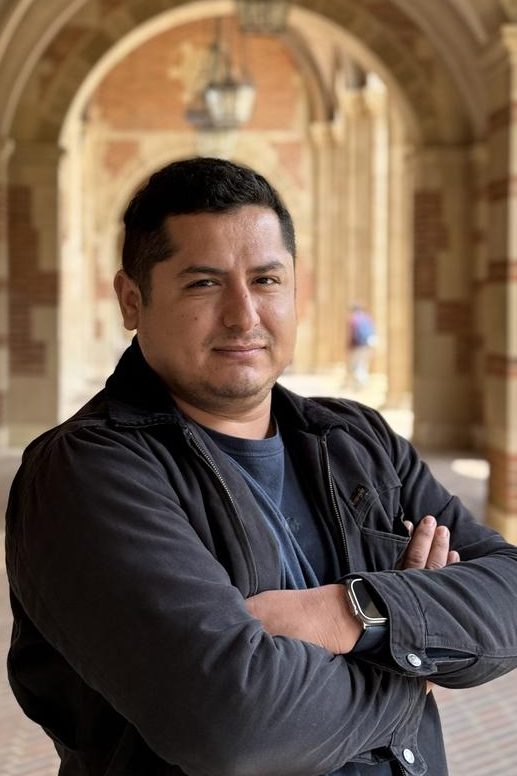
Onwukwe, Marvin is in the Biochemistry, Molecular and Structural Biology Graduate Program, and joined the CMB Training Program in 2024.
Mentor: Dr. Danielle Schmitt and Pavak Shah
Research project: Organisms must be able to adapt to variation in nutrient availability. In the face of metabolic changes, Caenorhabditis elegans embryogenesis is resistant to deviating from stereotyped development yet maintains some plasticity to enable adaptation. Embryos broadly express all the major signaling pathways that sense nutrient availability, yet how they adapt to changes in their metabolic state remains understudied. Transcriptional programs activate distinct metabolic pathways to switch energy sources to progress embryogenesis. How embryos coordinate metabolic transitions to accompany the energy demands of development is not fully understood. The goal of this work is to understand how energy sensing pathways are employed during embryonic development to regulate metabolic plasticity and the progression of development. Marvin’s overarching hypothesis is that C. elegans embryos autonomously monitor internal metabolite stores and modulate developmental progression in response to shifts in the availability of key nutrients. If so, C. elegans embryos must (1) express sensors for metabolic state during gestation that sense the availability of metabolites such as glucose, lipids and amino acids. Given that C. elegans embryogenesis is influenced and mediated by metabolic cues they must (2) exhibit developmental behaviors that respond to changes in metabolic state. (3) Lastly, these behaviors must depend on the activity of metabolic sensors.
Perumal, Nithesh is in the Biochemistry, Molecular and Structural Biology Graduate Program, and joined the CMB Training Program in 2024.
Mentor: Dr. Keriann M Backus
Research project: PTBP1 is a key splicing factor that regulates polyadenylation and mRNA stability in addition to splicing. In exciting recent work Nithesh conducted as part of his rotation in the Backus lab, he observed that PTBP1 is cleaved at asparagine residues 34 and 329 by the protease AEP, which generates a 37 kDa and 25 kDa band. AEP is known to function in T cells to diminish Treg function through direct regulation of Foxp3. Working with graduate student Alexandra Turmon, he has found that this cleavage occurs during T cell activation. The functions of these cleavage products are unknown, but recent work has implicated them in regulation of insulin expression and translation. Nithesh hypothesizes that AEP proteolysis in T cells is a driver of cellular proliferation, functioning both by modulating splicing via cleavage of PTBP1 and by generating novel degrons that are recognized by E3 ubiquitin ligases to target proteins for degradation. Supported by co-mentors Dr. Maureen Su and Dr. Doug Black, he is testing this hypothesis by pairing molecular biology with T cell functional studies and innovative multi-omic platforms to identify novel splicing events and degron driven remodeling of the functional proteome.
Reid, Silvana is in the Biochemistry, Molecular and Structural Biology Graduate Program, and joined the CMB Training Program in 2024.
Mentor: Dr. Yi Tang
Research project: Fungal secondary metabolites (SMs) produced by biosynthetic gene clusters (BGCs) within the fungal genome play a pivotal role in modulating interactions between plants and fungi. However, most BGCs remain transcriptionally inactive or “silent” under laboratory conditions, limiting their study. Silvana aims to classify SMs in plant-fungal interactions in pathogenic fungi. Through this, she aims to uncover new bioactive SMs to determine their biosynthetic pathways and develop novel antibiotics and antimicrobials.
Silva, Juan is in the Biochemistry, Biophysics, & Structural Biology (BBSB) home area of the MBIDP, and joined the CMB Training Program in 2024.
Mentor: Dr. Hong Zhou
Research project: Kaposi’s sarcoma-associated herpesvirus (KSHV) exhibits two distinct infection modes: latent and lytic infection. In the primary infection, lytic-phase KSHV virions enter a human B lymphocyte or endothelial cell. Once inside, the virus can highjack the host’s machinery to produce more viral particles. At the same time, instead of initiating viral production, its double-stranded genome can reach the nucleus where it will be chromatinized into an episome. At this point, KSHV can downregulate its lytic expression cassette to only a handful of genes, transitioning the virus into a latent phase infection.
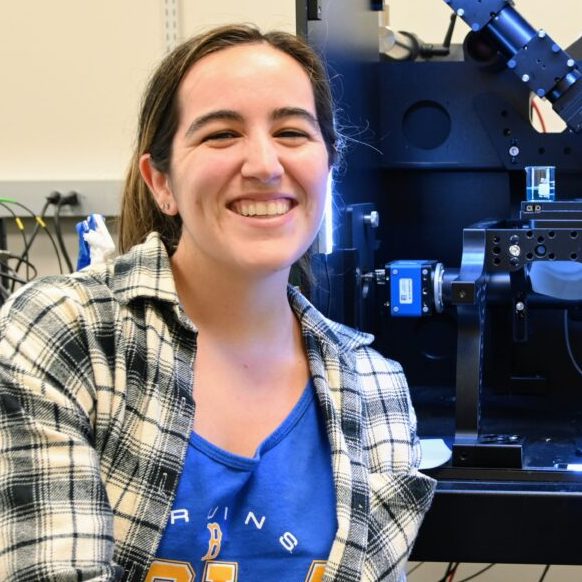

Stubbert, Clover is in the Cell & Developmental Biology (CDB) home area of the MBIDP, and joined the CMB Training Program in 2024.
Mentor: Dr. Pavak K. Shah
Research project: Centrosome-derived organelles play an essential role as the primary microtubule organizing center for critical cellular functions such as mitosis and ciliogenesis. Defects in ciliogenesis lead to ciliopathies caused by the improper formation or function of cilia. These specialized functions are regulated by the pericentriolar material (PCM), a fibrous protein scaffold whose composition varies depending on the position and function of the organelle within the cell. Studies of mitotic centrosomes and the ciliary basal body by genetic dissection and proximity labeling have identified many of the proteins that make up each of the specialized PCM compositions, but the regulation of the transition states between these different functions is less clear. In a subset of Caenorhabditis elegans sensory neurons born during embryogenesis, dendrite extension occurs prior to terminal division necessitating the rapid transition in both function and position from the mitotic centrosome in the cell body to the ciliary basal body at the sensory ending. Clover’s analysis of the pre-basal body centriole shows a similarly specialized and distinct composition, which she hypothesizes plays a role in regulating transport of the centriole to the nascent sensory ending prior to ciliogenesis.
Winters, Declan is in the Genetics & Genomics home area of the Graduate Programs in Bioscience (GPB) Program, and joined the CMB Training Program in 2024.
Mentor: Dr. Mehdi Bouhaddou
Research project: Alphaviruses, including those causing both mild febrile illness and severe encephalitis, present a significant public health challenge due to the lack of antiviral therapies available. Declan’s work focuses on elucidating the role of alphavirus glycoprotein phosphorylation during budding. It is known that the alphavirus glycoproteins E1 and E2 form a dimer complex that is crucial for viral egress, and the interaction of E2 with the capsid protein (C) is a key step that ultimately drives this process. Declan’s research centers on the phosphorylation of residues T398 and Y400 of E2, two highly conserved sites that form a 1:1 stoichiometry with C during budding.