Class of 2025
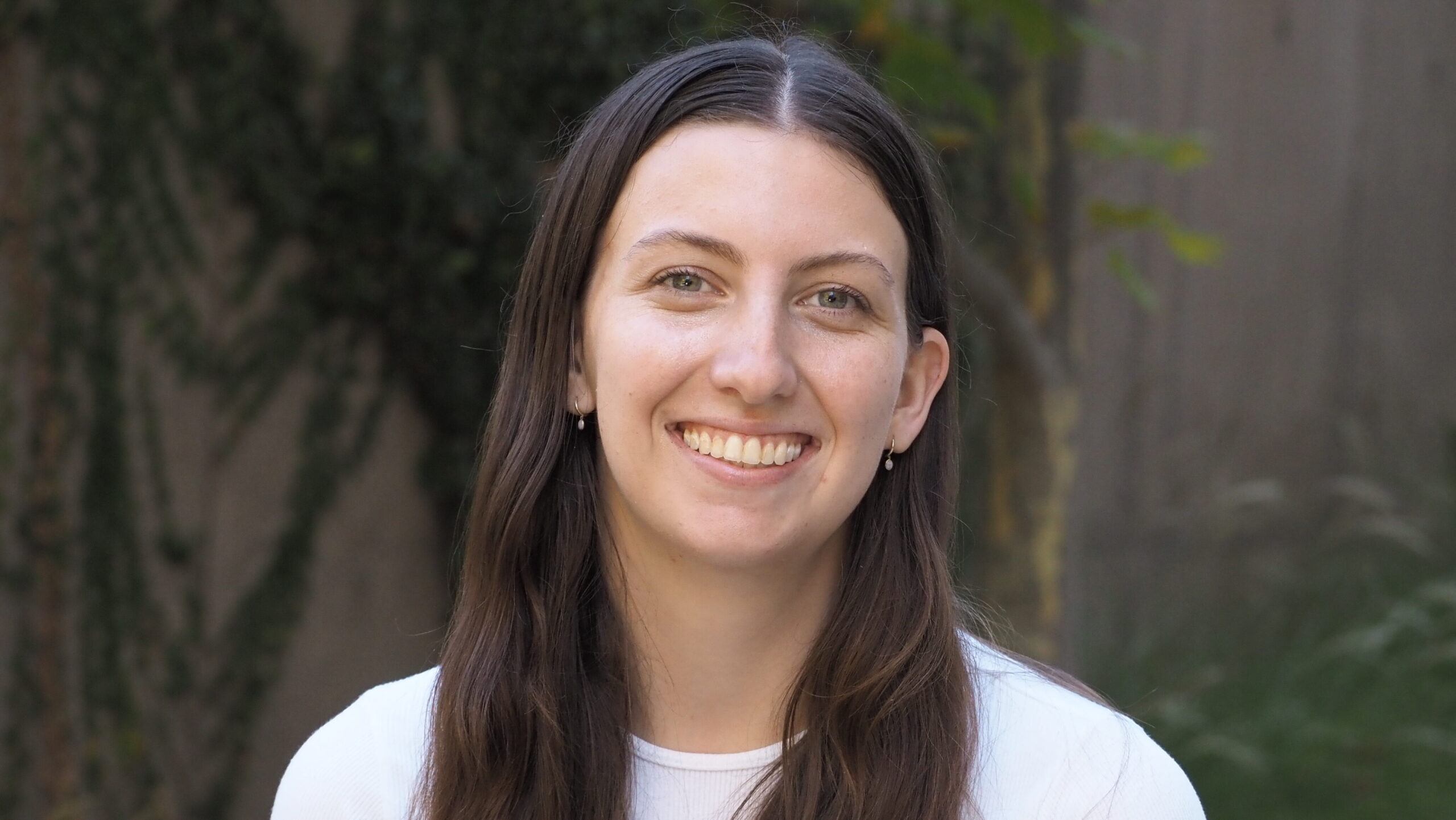

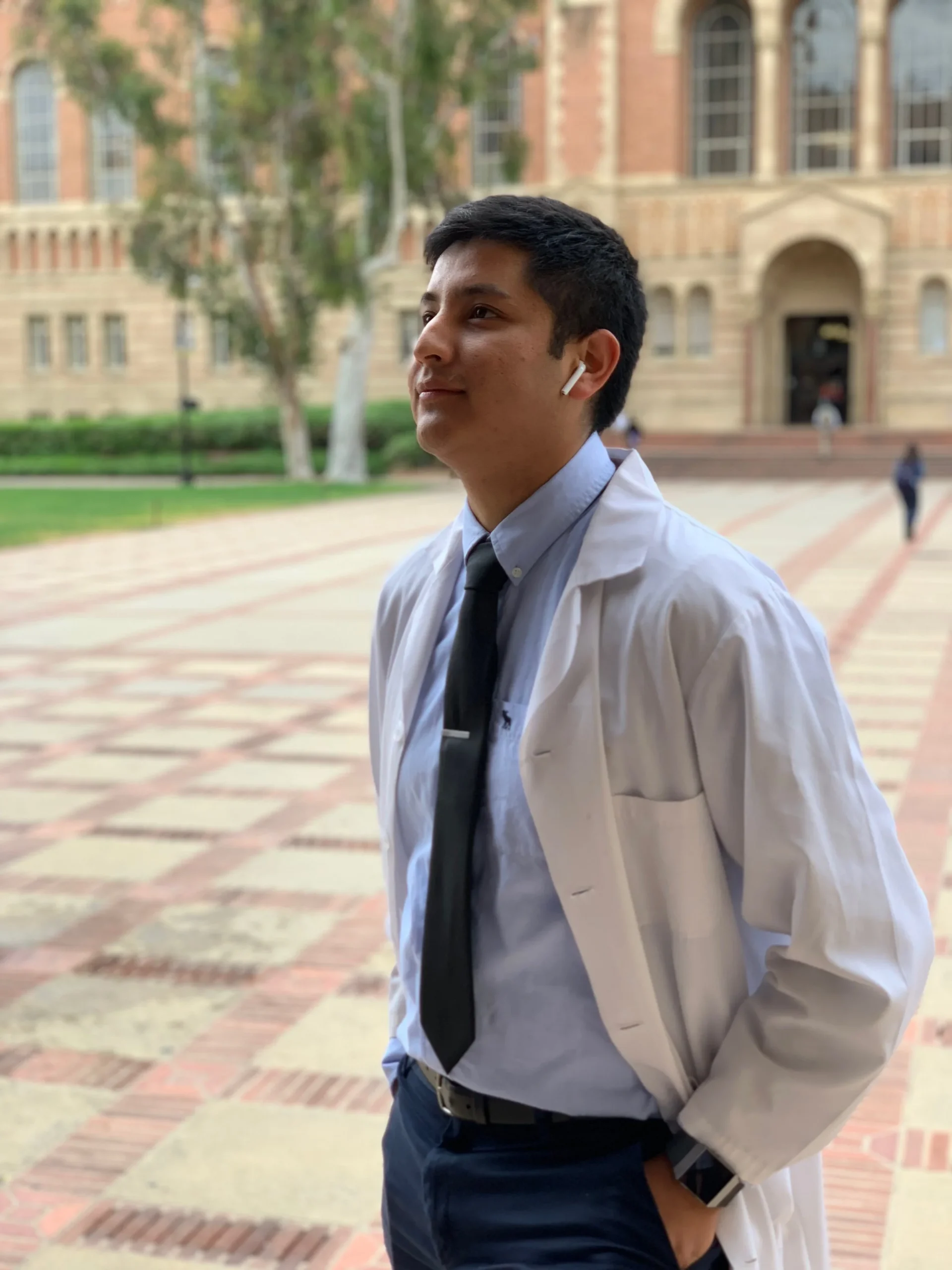
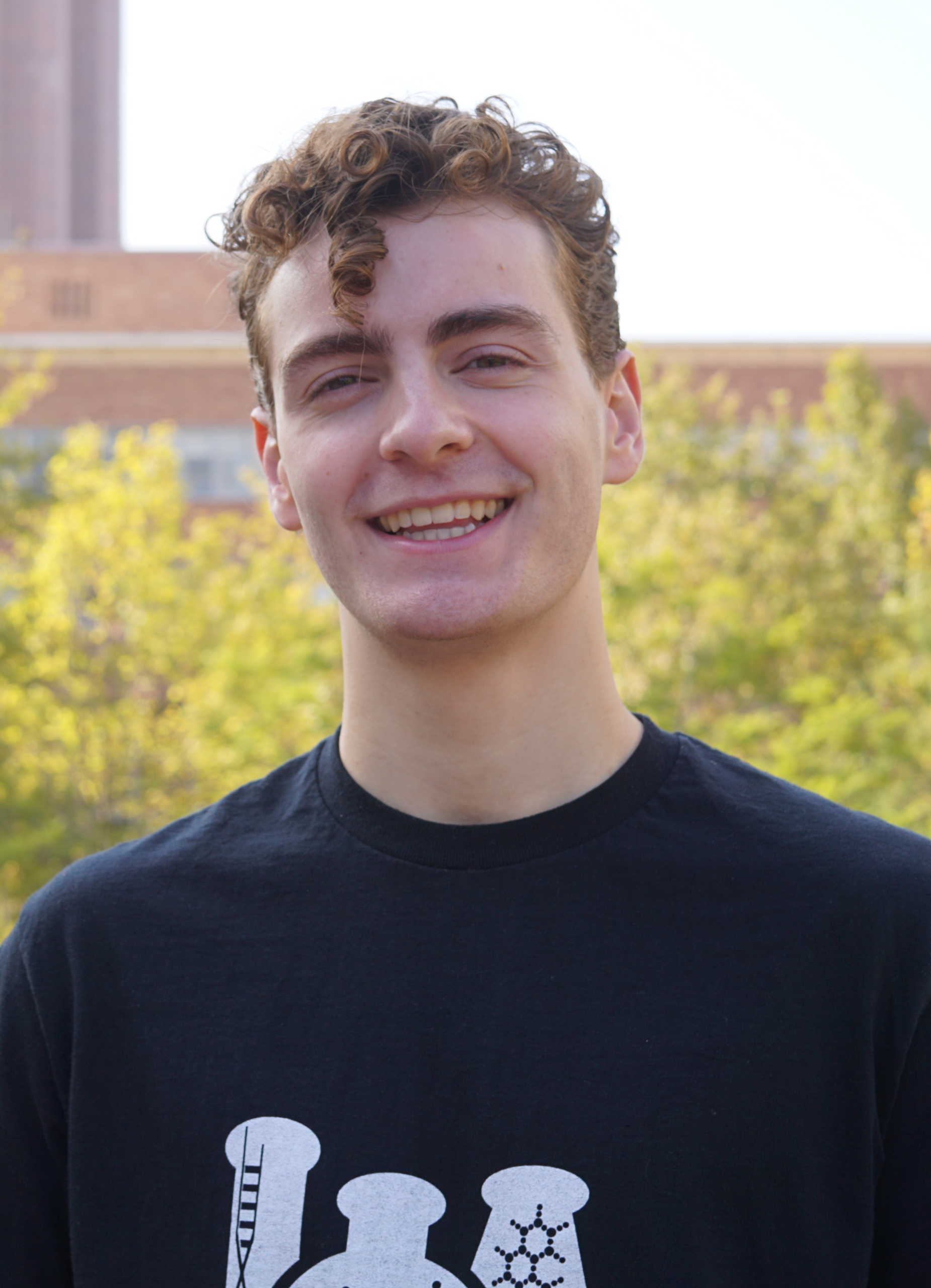
Vineall, Katie is in the Biochemistry, Molecular and Structural Biology Graduate Program, and joined the CMB Training Program in 2025.
Mentor: Dr. Danielle Schmitt
Research project: PTEN-induced kinase 1 (PINK1) is a mitochondrial serine/threonine kinase involved in mitophagy, the selective degradation of damaged mitochondria. Loss of function, autosomal recessive mutations in PINK1 cause early onset Parkinson’s disease (EOPD). While advances have been made in understanding the role of PINK1 in mitochondrial dynamics and Parkinson’s disease development, the current tools available to study PINK1 only provide static snapshots of PINK1 activity and cannot distinguish between differing levels of activity between single cells.
Deng, Christina is in the Immunity, Microbes & Molecular Pathogenesis (IMMP) Home Area of the MBIDP, and joined the CMB Training Program in 2025.
Mentor: Dr. Anthony J. Covarrubias
Research project: It has long been established that cancer is an age-related disease, with a sharp increase of incidence at the mid-life time point. However, the exact molecular mechanisms by which aging contributes to cancer remain unclear, although increasing evidence has implicated cellular senescence as a key factor. Senescent cell burden gradually increases with age and is characterized by a state of cell cycle arrest and the secretion of a variety of factors known collectively as the Senescence-Associated Secretory Phenotype (SASP), which contributes to chronic sterile inflammation. Liver cancer is one such age-related cancer, with over 80% of patients being diagnosed at >70 years of age and an association with other aging-related comorbidities, such as alcoholic liver disease and metabolic dysfunction-associated steatotic liver disease (MASLD). Macrophages are known to have a dual role in tumorigenesis, contributing to tumor-promoting inflammation during initiation and later safeguarding the tumor by modulating immunosuppression as tumor-associated macrophages (TAMs). However, whether or not these TAM populations are linked to senescent populations remains unclear. Christina hypothesizes that increased numbers of senescent macrophages drive liver cancer tumorigenesis and originate as a consequence of aging and aging-related comorbidities, remodeling the tumor microenvironment to better support tumor growth and immune evasion.
Diaz, Johny is in the Cell & Developmental Biology (CDB) home area of the MBIDP, and joined the CMB Training Program in 2025.
Mentor: Dr. Andrew Goldstein
Research project: Understanding how disease-initiating factors influence dependence on androgen receptor (AR) signaling in human AR+ hormone-naïve, castration-sensitive cells is of utmost importance. However, nearly all genetically defined human prostate cancer initiating models arise from the transformation of basal cells, which lack endogenous AR or exhibit low AR signaling. An ideal model to define the influence of disease-initiating driver genes in AR-signaling dependent cells would arise from the transformation of human epithelial cells expressing endogenous AR.
Gimeno, Thomas is in the Biochemistry, Molecular and Structural Biology Graduate Program, and joined the CMB Training Program in 2025.
Mentor: Dr. Jorge Torres
Research project: As neurons terminally differentiate, they exit the cell cycle and enter a quiescent state. These neurons lose their proliferative capability and undergo apoptotic or senescent death when attempting mitosis. For this reason, cell cycle re-entry (CCR) of these neurons, often observed in neurodegenerative diseases such as Alzheimer’s, is associated with massive cell death and brain atrophy. Certain stimuli are known to be linked to CCR such as amyloid beta treatment, tau hyperphosphorylation, and oxidative stress, however the intermediate pathways of how these stimuli lead to CCR are poorly understood.


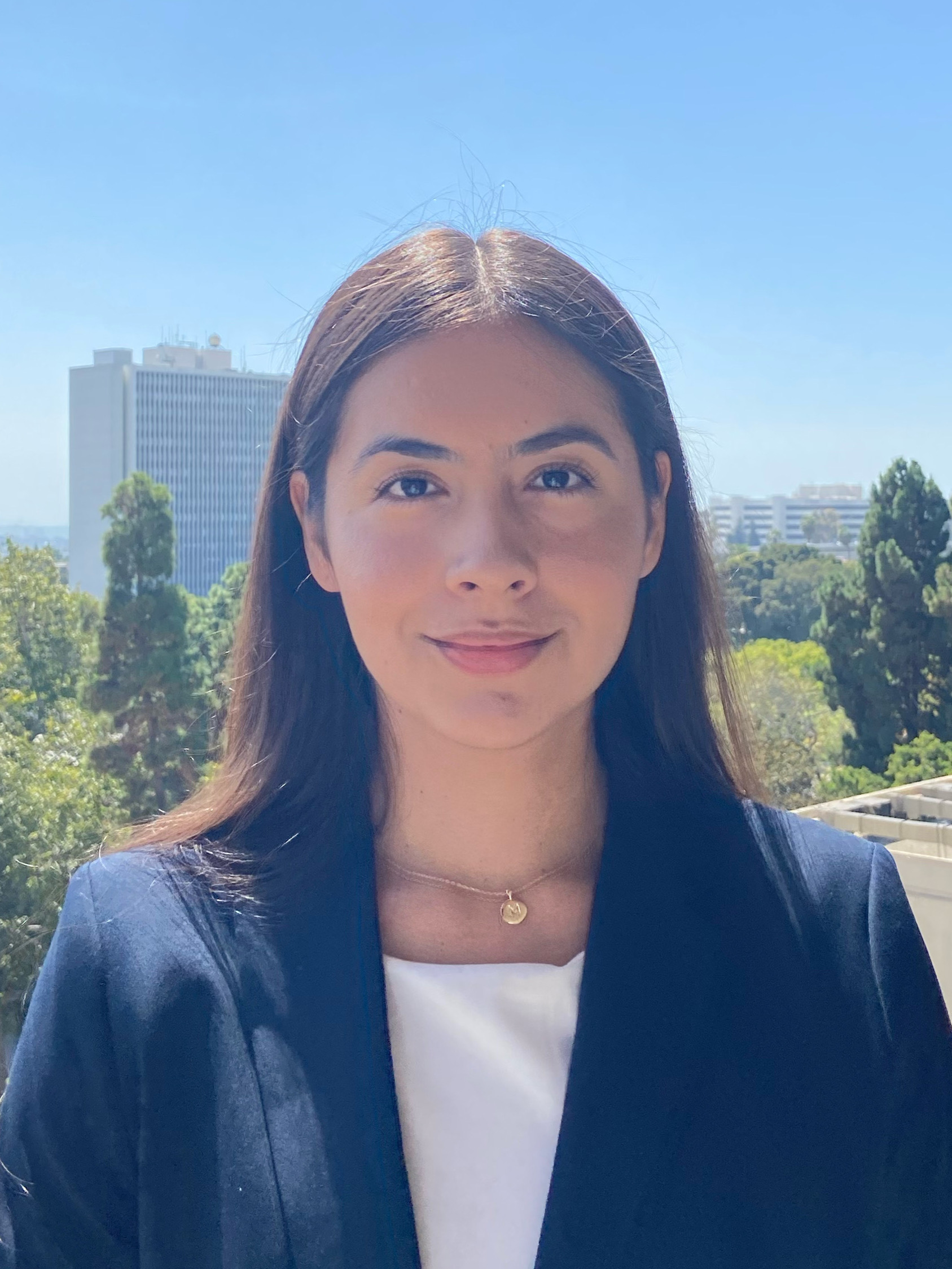

Krishnamurthy, Ruchira is in the Cell & Developmental Biology (CDB) home area of the MBIDP, and joined the CMB Training Program in 2025
Mentor: Dr. Rosalie Lawrence
Research project: The Integrated Stress Response pathway (ISR) is a master regulator of cell growth and metabolism. This signaling pathway controls the cell’s response to physiological and environmental stressors. The ISR also plays a key role in learning, aging, and memory, and chronic activation of the ISR has been linked to the onset of various neurological disorders. However, there is currently a gap in knowledge regarding the mechanisms via which chronic activation of the ISR drives these disorders. The guanine nucleotide exchange factor eIF2B is a key downstream transducer of ISR signaling. Upon activation by stress-sensing kinases, ISR signaling suppresses eIF2B causing: 1) global decrease in translation and 2) selective translation of the transcription factor ATF4. This drives simultaneous remodeling of cellular metabolism and protein translation. A genetic mutation in eIF2B causes the hypomyelinating disorder Vanishing White Matter Disease (VWMD). While previous work has suggested that metabolic changes in astrocytes drive hypomyelination via altering the composition of the astrocyte secretome, it is not known which specific molecules are altered and which mediate this astrocyte-derived chronic-ISR phenotype. Ruchira hypothesizes that ISR driven disease mechanisms involve remodeled cellular metabolism resulting in differential secretion of polar or lipid metabolites.
Malone, Jadyn is in the Biochemistry, Molecular and Structural Biology Graduate Program, and joined the CMB Training Program in 2025.
Mentor: Dr. Stefan Petrovic and Dr. Joseph Loo
Research project: Yes-associated protein (YAP) and transcriptional co-activator with PDZ-binding motif (TAZ) are homologous transcriptional co-activators and key effectors of the Hippo signaling pathway, regulating genes involved in proliferation, survival, and development. When Hippo is active, YAP/TAZ are phosphorylated (YAP S127) and sequestered in the cytoplasm; when Hippo is inactive, they translocate into the nucleus and bind TEA-domain family transcription factors (TEAD1-4) to drive transcription. Despite lacking a canonical nuclear localization signal, YAP/TAZ respond to mechanical cues that drive their nuclear import. In epithelia, they also interact with tight junctions (TJs) and adherens junctions (AJs), structures central to mechanical sensing and Hippo regulation, but the exact mechanisms driving their nuclear import remain elusive.YAP/TAZ transcriptional hyperactivity has been associated with many cancers, including aggressive forms of breast cancer, and generally indicates poor patient prognosis. This proposal aims to interrogate how YAP associates with junctional complexes using biochemical and structural approaches to elucidate the rules guiding spatiotemporal distribution in response to mechanical cues.
Perez, Maria is in the Cell & Developmental Biology (CDB) home area of the MBIDP, and joined the CMB Training Program in 2025.
Mentor: Dr. William Lowry
Research project: Lactate is a metabolite once known as a metabolic waste product. The Lowry lab studies the role that metabolism plays in adult stem cell decisions. They use hair follicle stem cells (HFSCs), which regulate hair growth and regeneration, as a model system. Using a HFSC-specific genetic knock out mouse model, the lab showed that knocking out lactate dehydrogenase a (Ldha), which converts pyruvate to lactate, delayed murine hair growth. Interestingly, knocking out the mitochondrial pyruvate carrier 1 (Mpc1), which shuttles pyruvate to mitochondria to fuel TCA cycle, accelerated hair growth in young adult mice. The Lowry lab recently submitted a manuscript co-first authored by Maria on the systemic inhibition of pyruvate oxidation with UK5099 improves physiology in multiple aged organs. Their findings revealed that UK5099 treatment promoted aged HFSC re-entry and improved aged tissue histopathology and physiology in skin, liver, and white adipose tissue. Their findings support the notion that inhibiting pyruvate oxidation may serve as a potential therapeutic approach to improve aging. However, the mechanism of action remains a knowledge gap. Maria is interested in determining the mechanism by which lactate modulates HFSC decisions. Maria hypothesizes that lactate may be acting as a signal molecule to alter the gene expression landscape to promote HFSC activation. The lactate accumulated may be serving as the molecule for a post-translational modification known as histone lactylation, in which lactate is converted to lactyl-CoA and a lactyl group is subsequently added to lysine residues on histones and thereby influencing gene expression.
Thach, Jim is in the Biochemistry, Molecular and Structural Biology Graduate Program, and joined the CMB Training Program in 2025.
Mentor: Dr. Peter J. Bradley
Research project: Toxoplasma gondii is an obligate intracellular parasite that affects ~30% of the population globally. While infections in healthy persons are typically asymptomatic, infections in the immunocompromised or congenitally infected neonates can have severe and even fatal consequences. T. gondii serves as a model organism for related pathogens such as those that cause malaria and cryptosporidiosis. Toxoplasma infections can be treated but not cleared, thus new therapies that target parasite-specific activities are needed.


Thaxton, Michelle is in the Chemistry Graduate Program, and joined the CMB Training Program in 2025.
Mentor: Dr. Michael Lawson
Research project: Michelle investigates how Poly(A)-Binding Protein (PABP) coordinates accurate stop-codon recognition with downstream mRNA fate in yeast by modulating the activities of the release factors eRF1 and eRF3 at the terminating ribosome. In this model, eRF3 recruits eRF1, while PABP stabilizes the complex to increase both the speed and fidelity of termination on normal messages; however, at premature termination codons, PABP’s distance from the stop codon reduces this stabilizing influence and biases transcripts toward nonsense-mediated decay (NMD). She is particularly interested in how variability in readthrough and stalling emerges from these interactions and whether local mRNA topology helps resolve competing outcomes. Beyond termination, PABP’s interaction with eIF4G is thought to promote a closed-loop configuration that brings mRNA ends into proximity, potentially facilitating ribosome recycling and reinitiation and feeding back on termination efficiency. By integrating these dual roles, the project tests whether PABP acts as a licensing factor that both accelerates release-factor kinetics and shapes RNA topology to favor productive post-termination fates. To access events that bulk assays average away, Michelle employs single-molecule fluorescence to watch ordered factor arrival and departure in real time on normal and aberrant mRNAs. The resulting mechanism aims to clarify how cells distinguish proper versus premature termination and how those decisions lead to mRNA stability and translational output.
Traynor, Roshini is in the Biochemistry, Molecular and Structural Biology Graduate Program, and joined the CMB Training Program in 2025.
Mentor: Dr. Jorge Torres
Research project: Cell division is a highly regulated process culminating in the transfer of genetic material into daughter cells. Phosphorylation via kinases is a key post translational modification in cell division acting as a dynamic molecular switch to affect protein activity, protein-protein interactions, protein localization, and abundance. Many kinases with roles defined outside of mitosis have been shown to be important for cell division although their kinase-phosphosite pairs remain unknown. Roshini’s aims to test how new phosphosite pairs contribute to the phospho circuitry that coordinates cell division and its relation to cell dysfunction and disease.